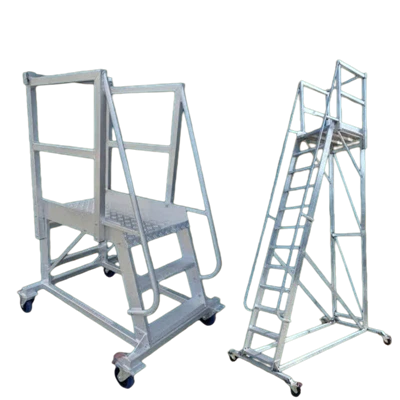
KMM provides high-quality aluminum profile services to meet customers' customization needs.
Our Competitive Advantage
We focus on aluminum profiles more than 10 years , and are particularly familiar with related of aluminum profile. We know that your project requires not only need just simple profiles. We can provide fast, flexible, and customized services. From conception to profile forming, we are willing to be involved. If you need special shapes, tighter tolerances, or shorter delivery times, just tell us—we'll make it happen together.
-
![Aluminum Honeycomb Panel]() Aluminum Honeycomb PanelAluminum Honeycomb Panelview more
Aluminum Honeycomb PanelAluminum Honeycomb Panelview more
• Alloy: 1050, 1060, 1070, 1100, 1200, 1235, 1350
• Temper: F, O, H12, H14, H16, H18, H19, H22, H24, H26, H28, H111, H112, H114
• Thickness: 0.1-500mm customized.
• Delivery Terms:... -
![Industrial Aluminum Extrusion Profile]() Industrial Aluminum Extrusion ProfileIndustrial aluminum profiles, also known as aluminum extrusion profiles, are standardized shapes made from aluminum alloy through the process of extrusion. Aluminum extrusion is a highly efficient and versatile manufacturing process....view more
Industrial Aluminum Extrusion ProfileIndustrial aluminum profiles, also known as aluminum extrusion profiles, are standardized shapes made from aluminum alloy through the process of extrusion. Aluminum extrusion is a highly efficient and versatile manufacturing process....view more -
![Extrusion Aluminium Tubing]() Extrusion Aluminium TubingAs a supplier of extruded aluminum tubes, KMM offers a variety of standard aluminum tubes in different sizes and thicknesses. Please consult our sales team, which will shorten delivery times and allow you to receive your goods faster.view more
Extrusion Aluminium TubingAs a supplier of extruded aluminum tubes, KMM offers a variety of standard aluminum tubes in different sizes and thicknesses. Please consult our sales team, which will shorten delivery times and allow you to receive your goods faster.view more -
![Extrusion Aluminium Plate]() Extrusion Aluminium PlateKMM offers aluminum sheets in a variety of material grades and specifications. Depending on the performance characteristics, our aluminum sheets are suitable for a wide range of applications.view more
Extrusion Aluminium PlateKMM offers aluminum sheets in a variety of material grades and specifications. Depending on the performance characteristics, our aluminum sheets are suitable for a wide range of applications.view more -
![Aluminum Alloy Grating]() Aluminum Alloy GratingAluminum grating is an ideal choice when corrosion resistance, lightweight, and materials that do not compromise load-bearing capacity and mechanical strength are required. Made from 6063 or 6061 alloys according to ASTM B221 standards,...view more
Aluminum Alloy GratingAluminum grating is an ideal choice when corrosion resistance, lightweight, and materials that do not compromise load-bearing capacity and mechanical strength are required. Made from 6063 or 6061 alloys according to ASTM B221 standards,...view more -
![Aluminum Alloy Checker Plate]() Aluminum Alloy Checker PlateAluminum checker plates have excellent decorative and anti-slip properties, making them an ideal choice for safety steps, buildings, and engineering structures. This type of aluminum checker plate is easy to process under pressure,...view more
Aluminum Alloy Checker PlateAluminum checker plates have excellent decorative and anti-slip properties, making them an ideal choice for safety steps, buildings, and engineering structures. This type of aluminum checker plate is easy to process under pressure,...view more -
![Aluminum Mesh Plate]() Aluminum Mesh PlateAluminum grating is an ideal choice when corrosion resistance, lightweight, and materials that do not compromise load-bearing capacity and mechanical strength are required. Made from 6063 or 6061 alloys according to ASTM B221 standards,...view more
Aluminum Mesh PlateAluminum grating is an ideal choice when corrosion resistance, lightweight, and materials that do not compromise load-bearing capacity and mechanical strength are required. Made from 6063 or 6061 alloys according to ASTM B221 standards,...view more


Your Professional Aluminum Alloy Profile Supplier
Qingdao KMM Machinery is a modem science and technology private company. We offer design, manufacturer, assemble and selling service for customer. Our main business scope is metal deep-processing products especially. Strengthen the construction of the talent team, introduce an intelligent operation and maintenance team; Deepen the industrial chain collaboration, and jointly build a customized R&D platform with cooperative enterprises.
Why Choose Us
Core Equipment
We are equipped with multiple machining centers, welding machines, laser cutting machines, bending machines, engraving machines, and more. We also provide stamping and surface treatment services, offering our customers a truly one-stop solution.
Certification System
We have obtained ISO-9001:2015 international quality system certification and CE certification, deeply integrating standardized processes into the entire supply chain of procurement, production, and delivery.
Strict Process Standards
Our quality control team, which has undergone certification and training, can conduct thorough inspections throughout the production process and ensure that our products meet industry standards and perform at their best.
Markets
We possess extensive experience serving clients in Europe, Australia, and North America.
Advantages of Aluminum Alloy Profile
Lightweight: Aluminum is remarkably light, approximately one-third the density of steel. This characteristic is crucial for applications where weight reduction is paramount, such as in aerospace, automotive, and portable electronics, leading to fuel efficiency and easier handling.
High Strength-to-Weight Ratio: Despite its lightness, aluminum can be incredibly strong, especially when alloyed and properly designed into a profile. This allows for robust structures without excessive bulk.
Corrosion Resistance: Aluminum naturally forms a thin, protective oxide layer when exposed to air, which provides excellent resistance to corrosion. This inherent property makes aluminum profiles ideal for outdoor applications and environments exposed to moisture.
Versatility and Formability: Aluminum is a highly malleable and ductile metal, making it perfectly suited for the extrusion process. It can be easily shaped into complex cross-sections, allowing for immense design flexibility.
Thermal and Electrical Conductivity: Aluminum is an excellent conductor of both heat and electricity, making it valuable for heat sinks, electrical busbars, and electronic enclosures.
Recyclability: One of aluminum's most significant environmental benefits is its almost infinite recyclability without loss of quality. Recycling aluminum requires only about 5% of the energy needed to produce primary aluminum, making it a sustainable choice.
Aesthetics: Aluminum profiles can be easily finished with various treatments, such as anodizing or powder coating, to achieve a wide range of colors, textures, and enhanced durability, contributing to attractive final products.

Types of Aluminum Alloy Profile
T-Slot Aluminum Profiles
Perhaps one of the most recognizable and widely used standard profiles, T-slots feature unique "T"-shaped grooves along their length.
Aluminum Angle Profiles
As the name suggests, these profiles are L-shaped, forming a 90-degree corner. Available in equal and unequal leg lengths, aluminum angles are fundamental structural components used for bracing, framing, edging, supports, and trim in various construction, architectural, and fabrication projects.
Aluminum Channel Profiles
Channel profiles (also known as U-channels or C-channels) have a U-shaped cross-section. They are commonly used as guides, frames, tracks, and protective enclosures.
Aluminum Round Tubes and Square Tubes
These are hollow profiles with circular or square cross-sections, respectively. Tubes (also known as pipes) are excellent for lightweight structural supports, fluid or gas transfer, and decorative elements.
Aluminum Flat Bars
These are solid, rectangular profiles with a flat surface. While seemingly simple, flat bars are incredibly versatile. They are used for bracing, supports, shims, trim, and decorative elements.
The extrusion process of Aluminum Alloy Profile
Extrusion billets are cut to the required size.
The billets are preheated to approximately 450 °C and placed in the extrusion press.
The container moves into position to hold the billet securely.
The ram pushes the billet through the extrusion die, forming the profile.
The extruded profile is cooled and cut to length on the run-out table.
The profile is stretched to ensure straightness, after which the stretch ends are removed.
Finally, the profiles are collected and undergo a final heat treatment.
Applications of Aluminum Profiles
Construction And Architecture: In this sector, aluminum profiles are used for window frames, door frames, curtain wall systems, and structural facades. Their lightweight nature and resistance to corrosion make them ideal for modern architectural designs, enhancing both aesthetics and energy efficiency;
Automotive And Transportation: Aluminum profiles play a crucial role in reducing vehicle weight, thereby improving fuel efficiency and reducing emissions. They are used in chassis, body parts, railings, and frames within cars, trucks, trains, and even aerospace applications;
Solar Energy Systems: The renewable energy sector, particularly solar panel frames and mounting systems, benefits from the durability and corrosion resistance of aluminum profiles. They ensure long-term stability and performance of solar installations in various environmental conditions;
Electronics And Electrical: Due to aluminum's excellent thermal conductivity, profiles are used in heat sinks, enclosures, and frames for electronic devices ranging from consumer gadgets to large servers and cooling systems;
Furniture And Interior Design: In the realm of furniture and interior design, aluminum profiles offer both structural support and aesthetic appeal. They are used in modular kitchens, office partitions, shelving units, and decorative elements, providing a sleek, modern look;
Step 1: Aluminum alloy selection
Aluminum alloy selection is the vital first step in crafting precise extrusion profiles. Choosing the right alloy dictates the profile’s strength, corrosion resistance, and other characteristics.
Step 2: Custom Extrusion Design and Die Preparation
Begin by designing the desired shape and dimensions of the aluminum extrusion profile using specialized software. Once the design is finalized, create a die, which is a tool that shapes the aluminum under pressure.
Step 3: Billet Heating
Load an aluminum billet, a cylindrical piece of aluminum, into a furnace and heat it to the required temperature. Heating makes the aluminum malleable and ready for extrusion.
Step 4: Extrusion Tooling Process
The heated billet is pushed through the die using a hydraulic press. The pressure forces the aluminum to take on the shape of the die’s opening. As the aluminum passes through, it forms the desired profile.
Step 5: Cooling and Cutting
After extrusion, the newly shaped aluminum profile is rapidly cooled using water or air to maintain its structural integrity. Once cooled, the continuous extrusion is cut into desired lengths using a saw or other cutting tools.
Step 6: Straightening and Quality Check
The extruded profiles may undergo a straightening process to correct any distortions caused during extrusion. Finally, conduct a quality check to ensure that the dimensions, surface finish, and overall quality meet the required standards.
Step 7: Packaging and Distribution
Approved profiles are packaged securely to prevent damage during transportation. They are then distributed to manufacturers for use in various applications.
FAQ
As one of the leading aluminum alloy profile manufacturers and suppliers in China, we're featured by quality products and good price. Please rest assured to buy customized aluminum alloy profile from our factory. Contact us for more details.
Extrusion Aluminium Tubing, Extrusion Aluminium Plate, aluminium alloy profile